I Lived by the One-In, One-Out Rule for 30 Days
One thing comes in, one thing goes out. Simple on paper. My flat had opinions.
 By Sofia Brennan · Updated 1 June 2026 · 8 min read
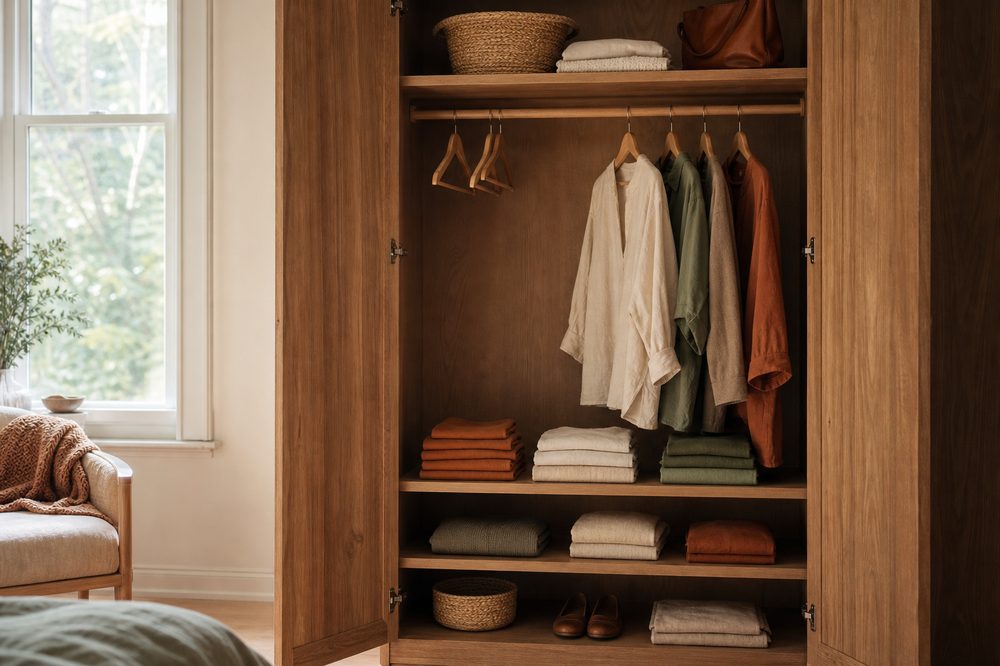
The whole rule, in one shelf: something arrives, something departs.
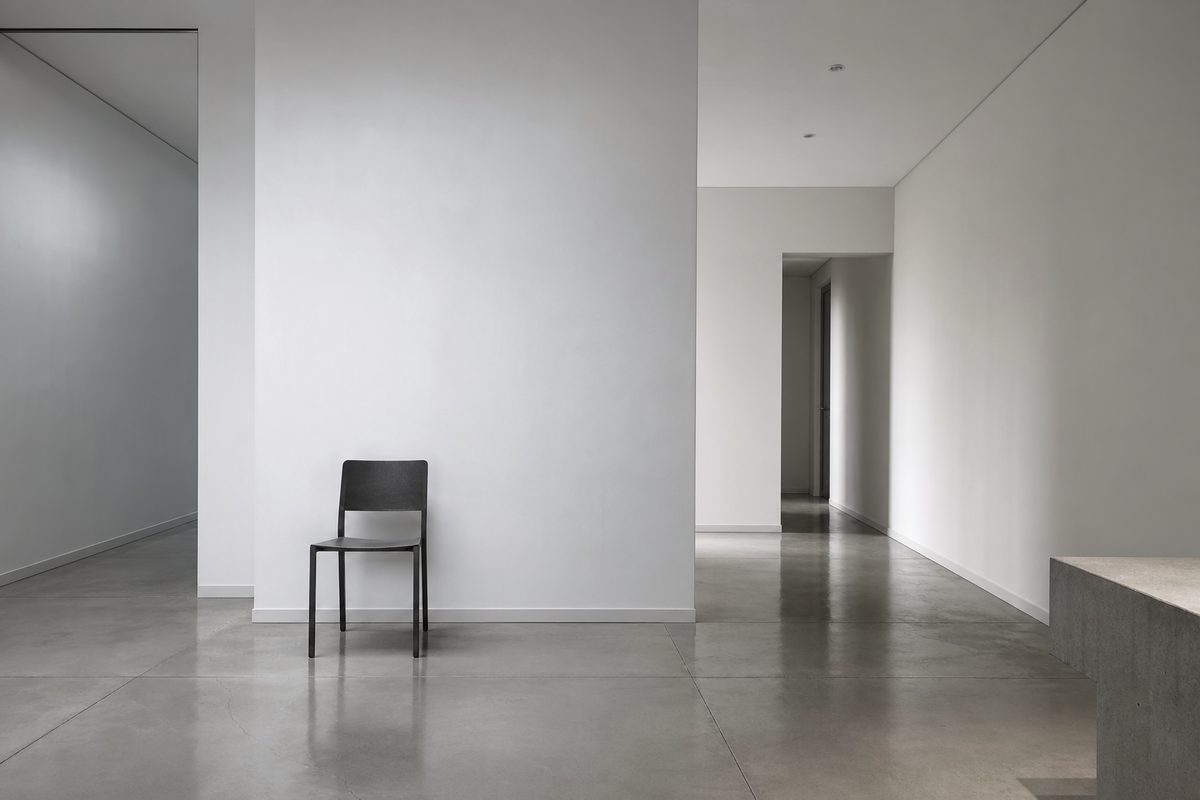
The rule sounds almost too tidy to be real. Every time something new comes into your home, something else has to leave. A new mug means an old mug goes. A new jumper means a jumper out the door. I'd seen it quoted everywhere, usually next to a photo of a bare white room owned by someone who clearly does not have a junk drawer. I have three junk drawers. So I gave myself thirty days to find out whether the rule was wisdom or just a nice sentence.
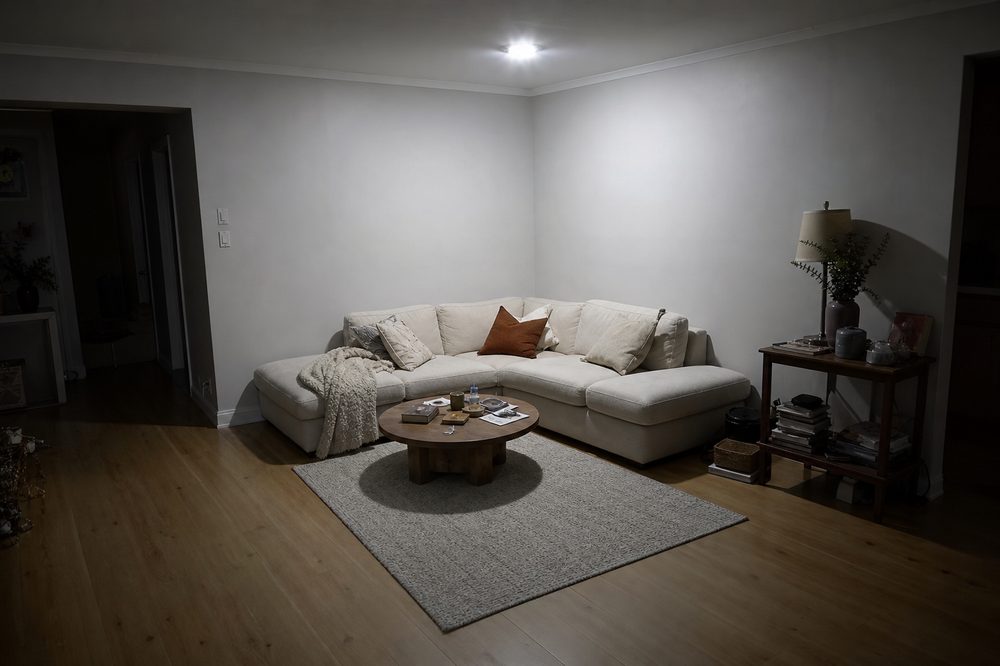
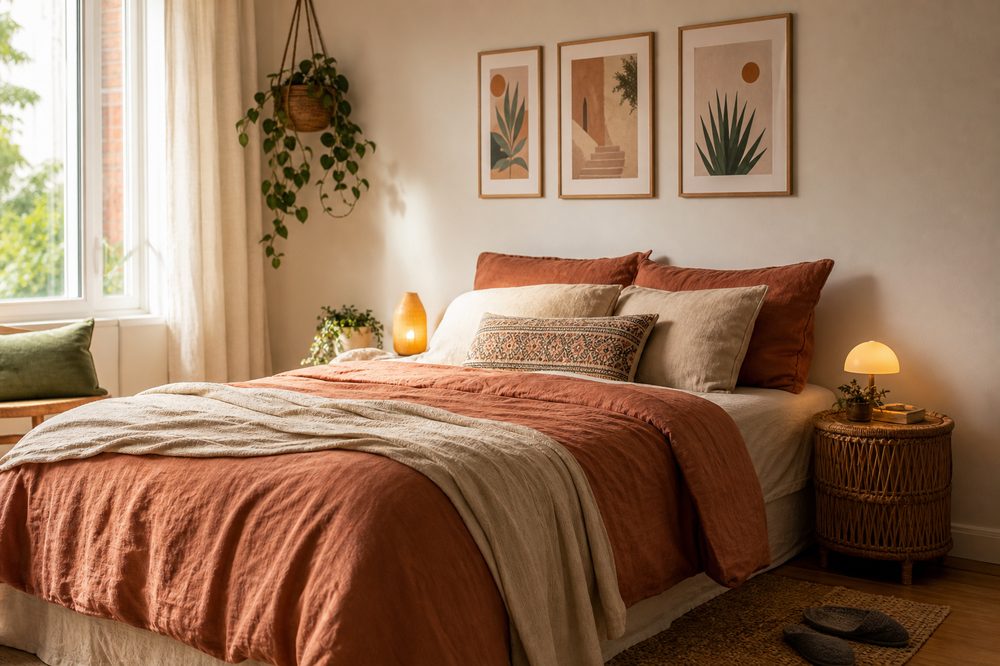
For context: I am not a minimalist. I'm a recovering over-decorator who genuinely believes a room needs more candles than any fire-safety officer would recommend. My flat is small, full, and loved. That, I figured, made me the right kind of test subject. If the rule could survive me, it could survive anyone.
Why I tried it
Honestly? Because I'd run out of shelf. I'd reached the point where buying anything new meant performing a small Tetris ritual to make it fit, and I was tired of pretending that was normal. The flat wasn't messy, exactly. It was just full in a way that had crept up on me one charity-shop scarf at a time.
The one-in, one-out rule appealed to me because it didn't demand a big purge. No bin bags, no weekend of crying over old birthday cards. It just asked me to be honest at the moment of acquisition, which is the one moment we're usually least honest. You buy the thing precisely because, for about ninety seconds, it feels like it will improve your life.
The first week, harder than expected
Day two and I bought a new frying pan. The old one had a handle that wobbled like a loose tooth, so the swap was easy. Out went the wobbler. I felt smug for roughly a day.
Then the small things started arriving, and the small things are where it gets slippery. A free tote bag from an event. A second-hand paperback. A scented candle I "needed". What leaves the house to balance a free tote bag? The rule doesn't say. So I made a ruling on the spot: a thing in is a thing in, dignity of price aside. The tote bag cost me an old, frayed one I'd been ignoring for years. The paperback cost a book I knew, deep down, I would never reread.
By Friday I'd noticed the real friction. It wasn't finding things to remove. It was the constant low hum of having to decide. Every purchase now came with homework. I started leaving things in shops that I'd normally have bought without a thought, not because I'd grown wise overnight, but because I couldn't be bothered to do the maths. Which, I suppose, was the point.
What actually helped in week one
I kept a small box by the door labelled "out". When something came in, I didn't have to find its replacement immediately — I just had to put something in the box within 24 hours. That tiny delay removed the panic without letting me cheat.
What it quietly fixed
The first thing it fixed was the kitchen, and I didn't even aim it there. We somehow owned eleven mugs for a two-person household. After three weeks of swaps, we owned six, and every one of them was a mug we actually liked drinking from. The cupboard stopped being a small avalanche risk. Opening it became a calm act instead of a defensive one.
The second fix was sneakier. Because every new thing now had a cost beyond money, I started genuinely wanting the things I bought. I'd stand in a shop holding a candle and ask which candle at home it was worth losing, and about half the time the honest answer was "none of them". The rule turned shopping from a reflex into a small negotiation, and I came out the other side with fewer, better things and a bit more cash.

Where it broke down
It broke down the moment categories stopped matching. The rule assumes a clean trade: mug for mug, book for book. Real life refuses to cooperate. When I bought a winter coat, what was the fair exchange? Another coat felt right, but I only owned two coats and I wore both. Was I supposed to trade a coat for, say, four paperbacks and a vase to make the volumes balance? The rule has no exchange rate, so I kept inventing one, and inventing it badly.
It also fell apart with gifts. My sister gave me a beautiful ceramic jug for my birthday. Following the rule strictly, something had to leave to make room. But quietly binning a possession to honour the arrival of a present I loved felt absurd and faintly ungrateful, like the home was running a turnstile. I let the jug in for free. The rule survived, slightly bent.
And there were the things that simply don't have an "out". Toilet roll. Coffee. A new phone charger because the old one frayed. Consumables and necessary replacements made the whole framework feel pedantic if I applied it too literally. So I stopped applying it literally, which is either the failure of the rule or the maturing of the person, depending on how charitable you're feeling.
The part nobody warns you about
Here's what the tidy white-room photos never mention: the rule is not really about objects. It's about deciding, over and over, what you're willing to let go of. And we are not rational about letting go.
I got stuck for two full days over a chipped enamel bowl that I do not use and do not need and could not throw out, because my grandmother had one like it. Not the same one. One like it. I was hoarding a resemblance. When I finally clocked that, I laughed, and then I kept the bowl anyway, because some things aren't clutter, they're keepsakes wearing clutter's clothes. Learning to tell the difference was the actual work. The objects were just the excuse.
The other thing nobody mentions is the fatigue. Decision after small decision adds up. By week three I was tired of auditing my own life in real time, of turning a trip to buy socks into a referendum on my possessions. The rule asks you to be mindful, and mindfulness, applied to absolutely everything, becomes its own kind of exhausting noise.
If you try it yourself
Pick the categories where you actually overshoot — for most of us that's clothes, kitchenware, books, beauty bits. Apply the rule there and let everything else off the hook. A targeted rule you'll keep beats a perfect rule you'll quietly abandon by day nine.
Would I keep it
Sort of, and that's a more honest answer than yes. I'm not going to spend the rest of my life weighing every receipt against my shelves. That way lies a very tidy flat and a very tired woman.
But the core of it stuck. I now pause at the threshold, both the real one and the metaphorical one, and ask whether a new thing is worth what it costs to keep. Not the price. The room, the upkeep, the small daily tax of owning one more thing. Most of the time the answer is still yes, because I like my full, candle-heavy flat. The difference is that now it's a yes I've actually thought about, rather than one I sleepwalked into at the till.
Thirty days didn't turn me into a minimalist. It turned me into someone who notices. Six mugs, one coat too many, one bowl I'll keep forever for reasons that have nothing to do with bowls. If that's all a rule gives you, it's already done more than most.
Sofia Brennan
Sofia writes about slow living and seasonal home rituals, and runs dreamirc's first-person experiments — the month-long tries-it-so-you-don't-have-to pieces. A recovering over-decorator and compulsive list-maker, she's mostly made peace with owning slightly too many candles. Meet the team →