Why a Spotless Room Can Still Feel Tense
You cleaned all weekend. So why does the living room feel like a waiting area instead of a home?
 By The dreamirc Editors · Updated 1 June 2026 · 9 min read
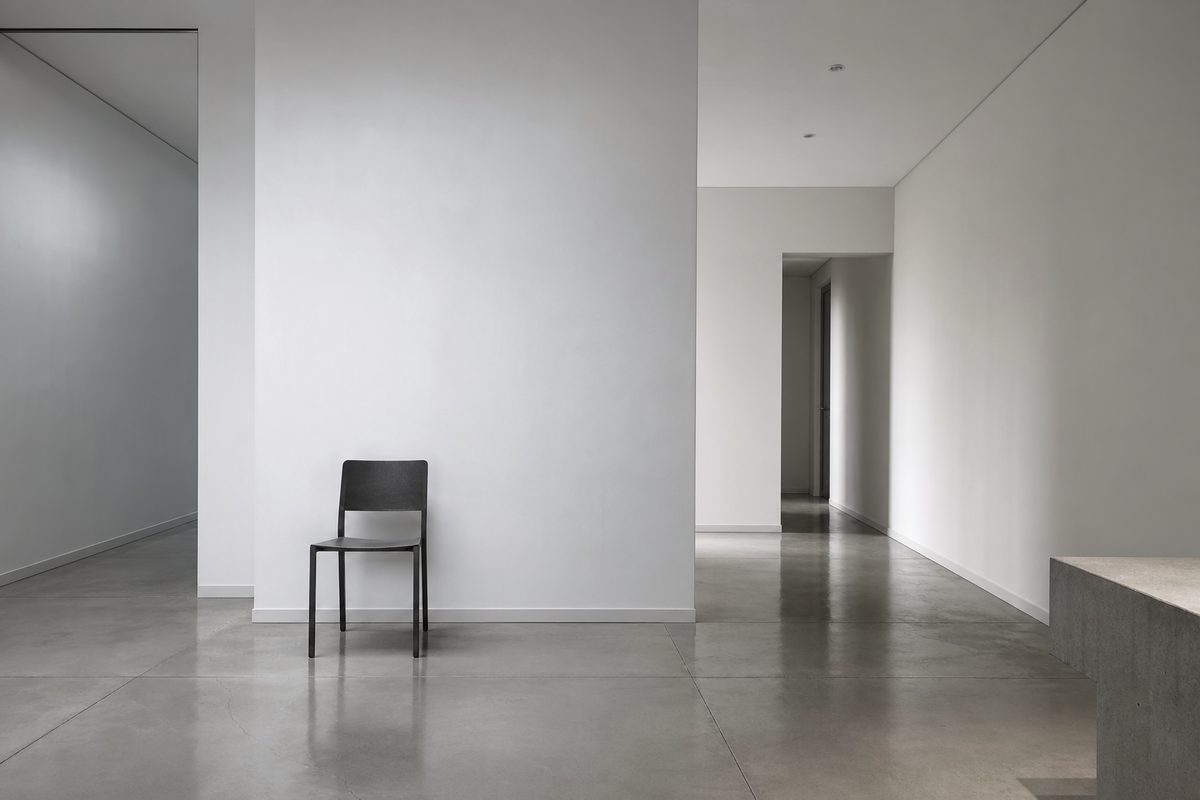
A room can be immaculate and still feel like nobody quite lives there.
Here is a strange and very common experience. You spend a Saturday cleaning. Surfaces cleared, cushions plumped, floor hoovered. By any objective measure the room is now better. And yet you sit down in it that evening and something is off. It feels a little cold. A little tense. Like a nicely staged photo of a room rather than a place you want to sink into.
If that's ever happened to you, you're not imagining it, and you're not ungrateful. Tidiness and warmth are two different things. A room can have plenty of one and almost none of the other. The good news is that once you understand what's actually generating the feeling — and it's rarely the mess — you can fix it in an afternoon, usually without buying much at all.
Let's take the room apart and look at what's really going on.
1. The light is doing the wrong job
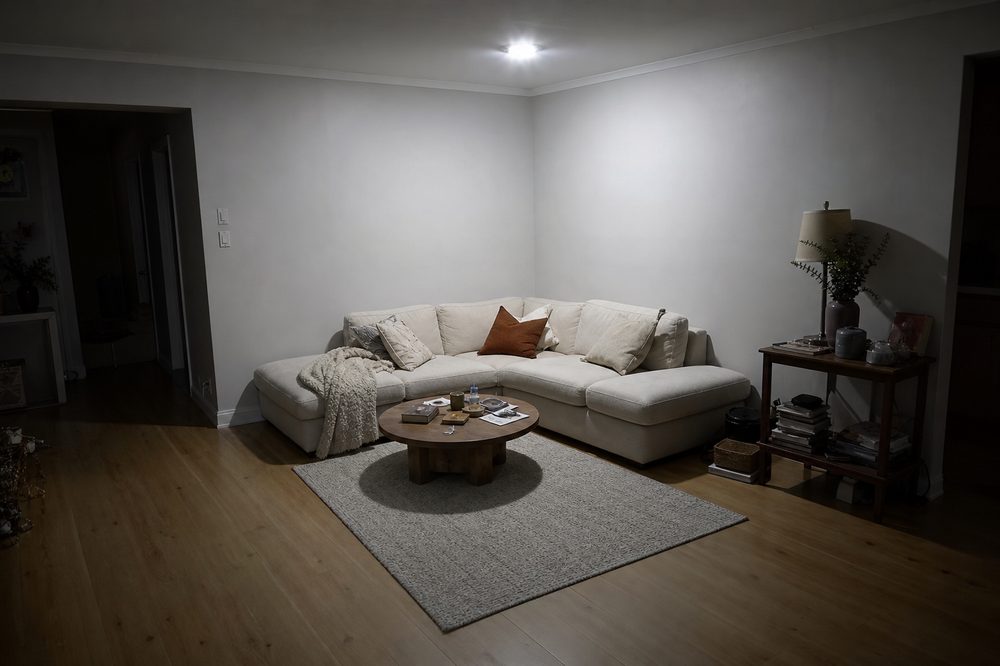
The single biggest culprit in a tidy-but-tense room is almost always lighting — specifically, one bright, cool overhead light doing all the work. A central ceiling fixture flattens a room. It throws even, shadowless light from above, which is exactly the lighting you'd want in a kitchen at 7am and exactly the lighting you don't want in a living room at 9pm.
Warmth, in the literal and emotional sense, lives in layers of light at different heights. A table lamp here, a floor lamp there, something low and golden in a corner. Pools of warm light at eye level and below read to us as "evening", "rest", "settle in". A single bright source overhead reads as "task", "office", "keep moving". You can have an immaculate room and completely undercut it with the flick of one switch.
Try this tonight
Turn the big light off entirely and switch on every smaller lamp you own. If you only have the one ceiling light, that's your answer for what to change first. A single warm-white (around 2700K) lamp does more for a room's mood than a weekend of tidying.
2. There's nothing for the eye to land on
Decluttering is good. Stripping a room bare is something else. When we clear everything off every surface, we sometimes remove the very things that made the room feel inhabited: the stack of books, the bowl of odds and ends, the half-burned candle, the plant that's seen better days but is somehow yours.
A room needs a few resting points for the eye — small, deliberate clusters of objects that say a person lives here and cares about it. The difference between "cluttered" and "warm" isn't quantity, it's intention. Three things arranged on a tray feel considered. The same three things scattered feel like mess. Clear the scatter; keep the clusters.
3. Everything is hard, and nothing is soft
Run a quick inventory of your room's textures. How many soft things are there versus hard ones? A tidy room often tips heavily toward hard surfaces — wood, glass, painted walls, a leather sofa — because soft things (throws, cushions, rugs) are the first to look "messy" and so the first to be put away.
But softness is what absorbs sound and light and makes a space feel like it's holding you rather than echoing at you. A room with no textiles is acoustically and visually sharp. You feel that sharpness as tension even if you can't name it. The fix is gentle: one throw over the arm of the sofa, a cushion or two you actually lean on, a rug big enough that the front legs of your furniture sit on it.

4. The proportions are slightly off
This one is subtle and oddly powerful. Rooms feel tense when things float — a rug too small for the seating area, art hung too high and marooned on a big wall, a sofa pushed flat against the wall with a no-man's-land of empty floor in the middle. Nothing is wrong, exactly, but nothing relates to anything else, and the eye keeps searching for an anchor it can't find.
Warm rooms are connected. The rug is large enough to gather the furniture onto it. Art is hung so its centre sits around eye level, in conversation with the furniture below it. The sofa and chairs are close enough to talk across without raising your voice. You don't need to buy anything to test this — just pull things a little closer together and see how the room exhales.
5. There's no sign of life
The tidiest rooms can read as uninhabited because we've removed every trace of being lived in. But a small amount of "life" is exactly what separates a home from a showroom: something green and growing, a scent in the air, a record sleeve left out, the warm glow of a lamp you leave on. These aren't mess. They're evidence that someone is here and glad to be.
The five-minute warm-up
Big light off. Two lamps on. One throw out. One plant or bunch of greenery somewhere you'll see it. Pull the furniture a hand's width closer together. That's it — five minutes, nothing bought, and the same clean room will feel noticeably softer.
So: tidy and warm
None of this is an argument against tidying. A cluttered room carries its own low hum of stress, and clearing it genuinely helps. The point is that tidiness is only half the equation. Once the surfaces are clear, the room's feeling is decided by light, softness, proportion and small signs of life — and those are the levers worth pulling next.
So the next time you've cleaned all weekend and the room still feels like it's holding its breath, don't reach for more cleaning. Turn off the big light, drape something soft, pull the chairs together, and switch on a lamp. You'll feel the room change before you can fully explain why.
The dreamirc Editors
Collaborative, fact-checked guides from the dreamirc editorial team. We write about why some spaces feel calm and warm — and how to get there in the home you actually have. Meet the team →